Skip to content
Building a ground-level deck is one of the most practical ways to expand your outdoor living space. It offers functionality, boosts curb appeal, and creates a comfortable area for family and friends to enjoy. However, before starting the project, it’s essential to understand the financial side. The ground-level deck cost in Ontario, CA, can vary depending on several factors. By breaking down the fundamentals, including materials, labor, and other key considerations, you can make informed decisions that align with your budget and design goals.
Understanding Ground Level Deck Cost Fundamentals in Ontario, CA
Ground-level deck costs in Ontario, CA, depend on local labor rates, building codes, climate considerations, and material availability; factors that shape both initial investment and long-term value.

What Defines a Ground-Level Deck
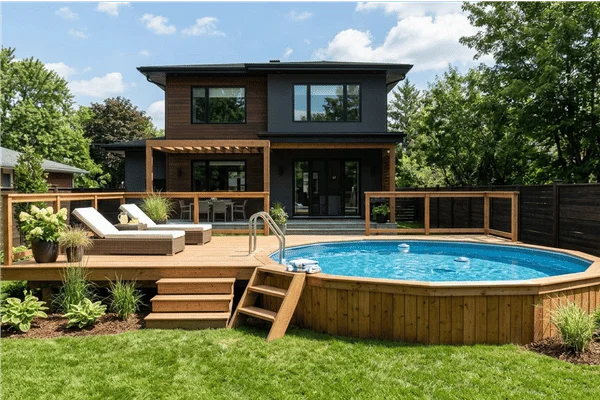
A ground-level deck sits close to the ground, usually without stairs or complex support structures. Its design makes it more affordable compared to elevated decks, while still adding value to your home. Size, materials, and construction choices influence the cost to build ground-level deck structures. Because they are easier to install, many homeowners choose this style for affordability and convenience.
Average Ground-Level Deck Cost Ranges in Ontario
In Ontario, CA, the average cost of a ground-level deck depends on material choice and square footage. While you won’t find a one-size-fits-all number, you can expect a broad price range that helps set realistic expectations. Comparing multiple quotes from Ontario’s local deck builders is always a smart move. This gives you a clear idea of where your project may fall and ensures transparency in planning.
Why Location Matters for Pricing
Location directly affects deck design and installation costs. Local labor rates, material availability, and regional demand all play a role. For Ontario homeowners, decking cost estimates are shaped by these local market factors. What you pay in one city may not be the same as in another. Understanding these differences early can help you plan with confidence.
Cost to Build Ground-Level Deck: Material Breakdown
Material choice, whether pressure-treated lumber, composite boards, or premium hardwood, significantly impacts cost, durability, and maintenance needs, making it essential to weigh performance against budget before committing.
Lumber and Framing Materials
Lumber is the backbone of any deck project. Choices range from pressure-treated wood to composite alternatives. Each material has a different price point, lifespan, and maintenance requirement. When estimating the cost of a ground-level deck structure, framing materials represent a significant portion. Quality framing not only ensures durability but also influences the deck’s overall stability.
Foundation and Support Systems
Although ground-level decks don’t require tall support beams, they still need a stable foundation. Gravel bases, concrete blocks, or pier systems add to the expense. These features prevent shifting, ensuring the deck lasts for years to come. Factoring foundation into the cost to build a ground-level deck is critical since skipping proper support can lead to higher repair costs later.
Finishing Materials and Accessories
Once the frame and base are complete, finishing materials like deck boards, railings, and sealants come into play. Accessories such as built-in seating or lighting can also raise the price. While these features add comfort and style, they contribute to the total cost of installing a ground-level deck. Homeowners must balance function with budget to achieve the right mix.
Ground-Level Deck Cost Per Square Foot Analysis
Ground-level deck cost per square foot reflects the combined influence of materials, labor, and design complexity, offering a clear metric for comparing project sizes and estimating total investment.

Small Deck Pricing
Small decks require fewer materials and less labor, which naturally lowers expenses. However, the ground-level deck cost per square foot for a smaller space may actually be higher since certain fixed costs remain the same. For homeowners with limited yard space, this trade-off is worth noting.
Medium to Large Deck Economics
As deck size increases, the overall budget rises, but the cost per square foot often balances out. A medium or large deck in Ontario can be more cost-efficient on a per-square-foot basis. Families seeking more space for gatherings frequently find that this scale provides better value for their investment.
Premium vs. Budget Cost Per Square Foot
The choice of decking materials directly influences the ground-level deck cost per square foot. Premium materials, such as composite decking or hardwoods, increase the price, while budget options, like pressure-treated lumber, keep it lower. Evaluating lifestyle needs and maintenance preferences helps determine which option provides the most value without overspending.
What Factors Affect the Cost of a Ground-Level Deck in Ontario?
From soil conditions and site preparation to permits, finishes, and custom features, multiple variables influence deck pricing in Ontario, each contributing to the project’s overall scope and expense.
Site Preparation and Accessibility
Preparing the site can involve clearing land, removing obstacles, or leveling the ground. These tasks impact the cost of a ground-level deck significantly. If your property has uneven terrain or limited access, expect higher expenses due to extra work and equipment.
Design Complexity and Customization
Simple, rectangular designs are the most affordable. On the other hand, custom layouts with curves, multiple levels, or built-in features drive up costs. Homeowners should weigh design goals against budget limits when estimating deck cost. Functionality should always take priority, with upgrades added as finances permit.
Local Regulations and Permit Requirements
Permits are a crucial yet often overlooked aspect of deck installation. Ontario has specific building codes that must be complied with. Permit fees, inspections, and approvals all add to the final cost to build ground-level deck projects. Consulting with a local contractor ensures no detail is missed during planning.
Labor Costs and Installation Timeline in Ontario, CA
Labor is one of the largest components of deck pricing. Professional builders bring expertise that ensures safety and quality, but this comes with added cost. The size and complexity of your deck influence how long the project takes, with larger or customized decks requiring more time. Factoring labor into the deck cost helps set realistic expectations. Hiring skilled contractors in Ontario not only guarantees professional results but also minimizes risks associated with DIY mistakes.
Money-Saving Tips and Final Cost Considerations
Strategic planning, smart material selection, and phased construction can help control deck costs while preserving quality, ensuring your investment delivers both functionality and long-term satisfaction.
Smart Ways to Reduce Ground-Level Deck Costs
Budget-conscious homeowners can take steps to manage costs. Comparing multiple contractor quotes, choosing cost-effective materials, and planning a straightforward design are all effective strategies. Another way to save is by timing your project during off-peak seasons, when labor costs may be lower. Each of these approaches reduces the overall ground-level deck cost without compromising quality.
Long-Term Investment and ROI
While the upfront price may seem significant, a well-built deck pays off in the long term. It enhances your property’s appeal, increases usable space, and provides lasting enjoyment. When considering the price per square foot of a ground-level deck, think about the return on investment. A quality installation not only adds resale value but also ensures years of outdoor comfort.
Final Thoughts on Ground-Level Decking
A ground-level deck is an excellent way to enhance your home in Ontario, CA. Understanding the cost of a ground-level deck involves considering materials, labor, site conditions, and design choices. With a clear breakdown of expenses, you can plan a project that aligns with your budget while meeting your outdoor living goals.
Get a professional ground-level deck installation from Ontario’s trusted experts. Call Zappa Deck Builders now for competitive pricing and quality craftsmanship.
Frequently Asked Questions
1. What does it mean to define millwork in home design?
To define millwork in simple terms, it refers to custom-made wood components crafted in a workshop and later installed in a home. These pieces include trims, crown molding, stair railings, mantels, and built-in shelves. Unlike store-bought items, millwork is designed to fit the unique dimensions and style of your home, making it both functional and decorative.
2. How does architectural woodwork differ from standard carpentry?
Architectural woodwork focuses on precision, customization, and design, while standard carpentry often addresses basic structural needs. For example, trims, wall paneling, and detailed moldings fall under architectural woodwork. These features go beyond function, adding character and elegance to a space, something that ordinary carpentry typically does not emphasize.
3. What happens during the millwork fabrication process?
The millwork fabrication process begins with the design and selection of materials. After plans are finalized, skilled craftsmen cut, shape, and assemble wood into detailed pieces. The process ends with sanding, finishing, and installation. Each step ensures that the final product fits perfectly in your home and aligns with your chosen style.
4. Why should I work with a custom millwork company instead of buying pre-made products?
A custom millwork company offers tailored solutions that store-bought woodwork cannot provide. From specialty millwork like fireplace mantels to built-in storage, custom designs ensure seamless integration with your home. The quality and durability are typically higher, making it a better long-term investment.
5. What are examples of specialty millwork that can enhance my Boston home?
pecialty millwork includes features like ornate crown molding, custom stair railings, fireplace surrounds, and built-in bookcases. These pieces elevate a home’s appearance by adding detail and craftsmanship. Specialty options are especially popular in Boston homes, where homeowners want to highlight historic architecture or introduce unique, modern touches.